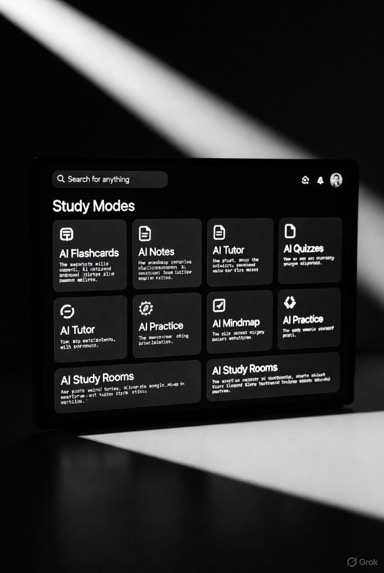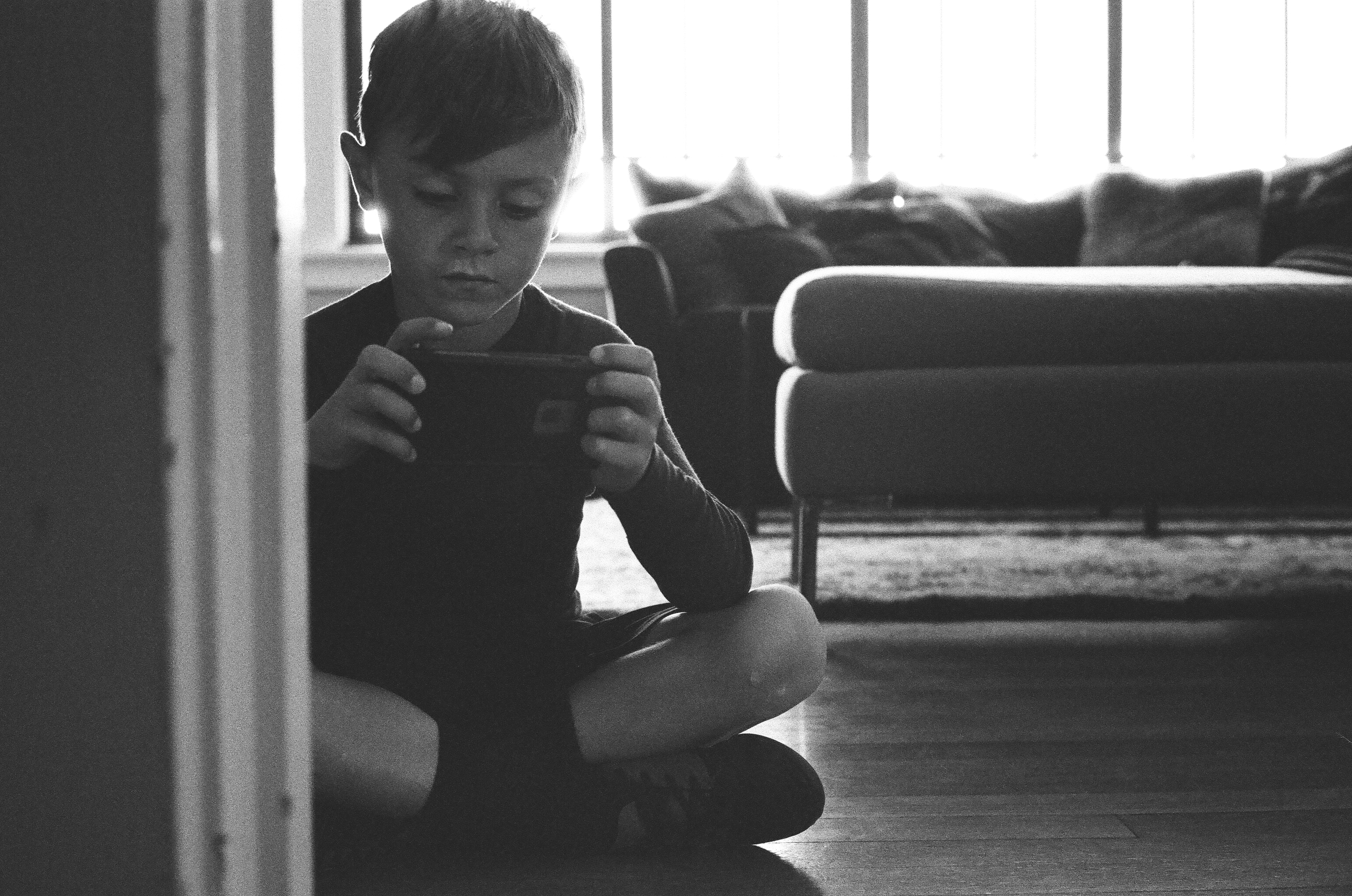
As AI becomes more powerful and ubiquitous, parents are asking the big question: How do I future-proof my kid? The short answer is: you can’t fully — but you can AI-proof them by developing human skills machines still can’t replicate.
Teach Adaptability Over Memorization
The old system trained kids to remember facts. But in an AI-powered world, facts are free. What matters is how your child adapts to rapid change. Prioritize learning how to learn, not just what to learn.
“The illiterate of the 21st century are not those who cannot read and write, but those who cannot learn, unlearn, and relearn.” — Alvin Toffler
Prioritize Soft Skills
Machines can do calculations, analyze data, and even write essays. But they still struggle with empathy, emotional nuance, negotiation, leadership, and ethical reasoning. These soft skills will become the new hard skills.
Encourage group projects, creative writing, public speaking, and debates. Let them work with people not just screens.
Encourage Creativity, Not Consumption
Most kids passively consume media. Instead, teach them to create — whether it’s code, art, stories, music, or building with their hands. AI can generate content, but it can’t be truly original. Humans still lead when it comes to unbounded creativity.
Introduce AI Early — But With Guardrails
Don’t hide AI from your kids — introduce them to tools like ChatGPT, Copilot, or image generators in a guided, curious way. The goal isn’t to fear AI, but to understand its limits and uses.
Also, help them spot AI-generated content and think critically about what’s real, what’s biased, and what’s missing.
Invest in Digital and Mental Health
AI will speed up everything — except human biology. Resilience, mindfulness, and self-awareness are the superpowers of tomorrow. Give your kid boredom. Let them unplug. Teach them to be calm in chaos.
Final Thoughts
AI isn’t the enemy. But passivity is. Help your kid be the human the machines can’t replace — adaptable, ethical, creative, and emotionally intelligent.
Their future depends on it.